Source padded buttock upward butt lifter for Post Surgery, Daily Wear, and Postpartum Recovery
Find and compare 30 padded buttock upward butt lifter options from Guangdong, China. Evaluate medium to firm control levels, hook and zipper designs, and OEM services for post-surgery, daily wear, and postpartum needs.
Key considerations
Products List


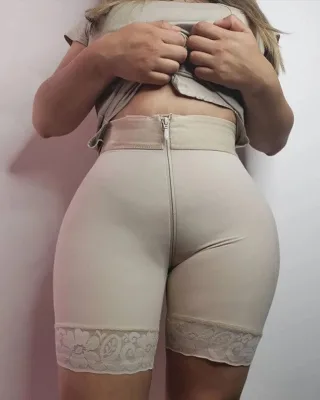
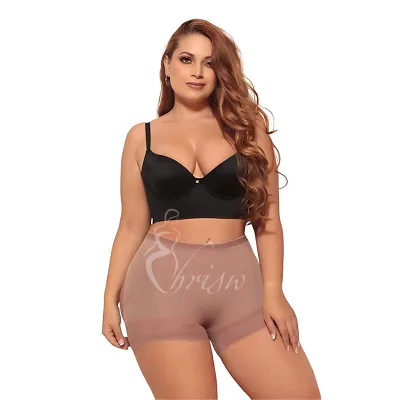
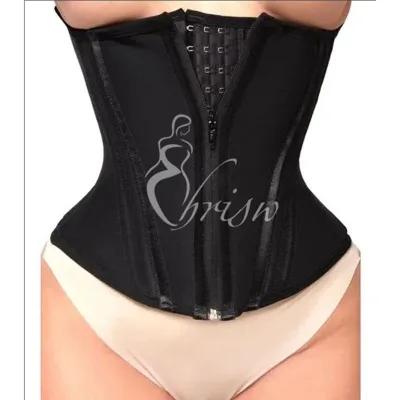
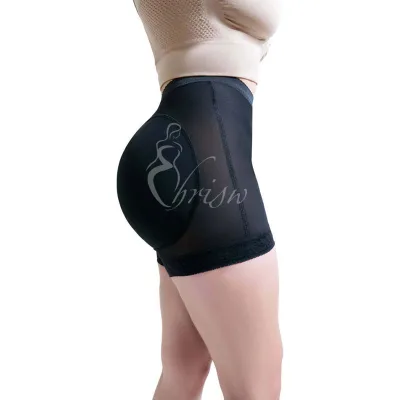
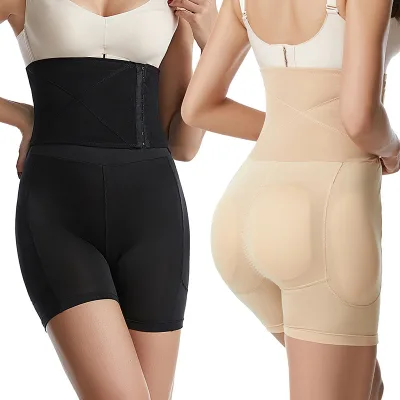


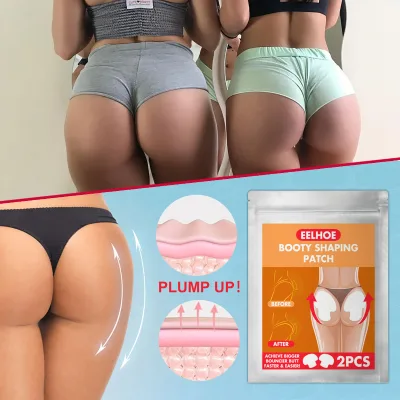


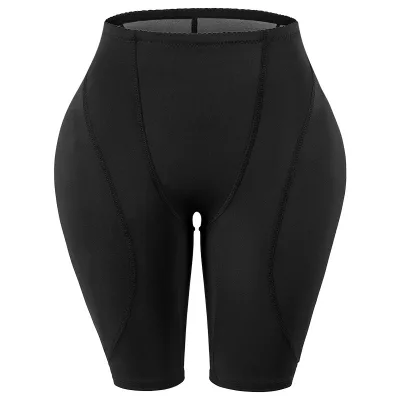


Comprehensive Sourcing Guide
Padded Buttock Upward Butt Lifter Sourcing Guide
Sourcing padded buttock upward butt lifters requires a nuanced understanding of the intersection between cosmetic enhancement and functional shapewear. These garments are designed to provide immediate visual improvement through structural padding and compression, often serving dual purposes for post-surgery recovery, postpartum support, or daily aesthetic enhancement. Buyers must distinguish between products that rely on simple foam inserts and those that utilize advanced ergonomic designs to achieve a natural lift without compromising comfort. The market offers a wide variety of options, ranging from basic panty styles to more complex bodysuits, each with distinct manufacturing requirements and quality benchmarks.
The procurement process for these items is heavily influenced by the supplier’s ability to handle customization and material innovation. Many manufacturers in key production hubs, such as Guangdong, China, offer OEM and ODM services, allowing brands to tailor fit, padding density, and fabric composition to their specific target demographics. Understanding the supply chain dynamics, including sample lead times and minimum order quantities, is critical for maintaining inventory efficiency. Buyers should prioritize suppliers who demonstrate experience in both knitted and nonwoven construction methods, as these techniques significantly impact the garment’s durability, breathability, and final aesthetic outcome.
Product Scope and Observed Listing Signals
The product landscape for padded buttock lifters is diverse, encompassing various styles such as butt lifter panties, shapers, and upper arm slimming garments that may include integrated lifting features. Observed listings indicate a strong emphasis on functional attributes like tummy control, slimming legs, and firm to medium control levels. These garments often feature specific design elements such as hooks, zippers, and inner buckles to ensure a secure fit and effective compression. The presence of "plus size" options and a wide size range, from S to 6XL, suggests that manufacturers are catering to a broad spectrum of body types, requiring precise pattern making and consistent sizing standards across different production batches.
Material composition is a key differentiator in this category, with many products utilizing blends of spandex and nylon to provide elasticity and shape retention. Some listings highlight specific fabric properties such as anti-bacterial, breathable, and sustainable characteristics, which are increasingly important to modern consumers. The weaving method, whether knitted or nonwoven, plays a crucial role in the garment’s performance, with knitted fabrics generally offering better stretch and recovery for active wear, while nonwoven options may be used for specific structural components or cost-effective solutions. Buyers should carefully review the fabric specifications to ensure they align with the intended use case, whether it is for daily life, postpartum recovery, or post-surgical support.
Technical Specifications to Verify
When evaluating technical specifications, buyers must verify the exact model numbers and design features associated with each product variant. Common models observed in the market include A72, BL8637, BL8644, BL8633, and BL8627, each potentially representing different cuts, padding configurations, or control levels. It is essential to confirm whether the product features a standard or thick thickness profile, as this directly affects the level of compression and the visual impact of the lift. Additionally, the style of closure, whether it involves a full zipper, front buckle, or U-shape design, should be verified to ensure it meets the user’s comfort and convenience requirements.
Packaging and labeling specifications are also critical technical details that impact logistics and retail readiness. Products are typically packed in individual polybags, with bulk quantities organized into larger polybags or cartons, such as 100 pieces per big polybag or 300 pieces per carton. Buyers should confirm the customization options for logos and branding, as many suppliers offer customized logo services to enhance brand identity. Furthermore, the age group targeting, which is generally adults, should be matched with appropriate sizing charts and fit guides to minimize return rates and ensure customer satisfaction.
Compliance and Safety Documentation
Compliance and safety are paramount when sourcing intimate apparel and shapewear, particularly for products intended for post-surgery or postpartum use. Buyers must ensure that suppliers adhere to relevant textile safety standards, including restrictions on harmful substances such as azo dyes, formaldehyde, and heavy metals. While specific certification statuses may vary by supplier, it is crucial to request documentation that verifies the fabric’s compliance with international safety regulations. This includes testing for skin irritation, flammability, and colorfastness, especially for products that come into direct contact with sensitive skin areas.
In addition to material safety, buyers should verify the manufacturing environment’s adherence to quality management systems. Suppliers with significant experience, such as those with 14 years in the industry, are more likely to have established protocols for quality control and regulatory compliance. It is advisable to request test reports from accredited laboratories to confirm that the products meet the required safety benchmarks. Buyers should also be aware of any specific labeling requirements in their target markets, including fiber content disclosure, care instructions, and country of origin markings, to avoid customs delays or legal issues.
Cost Drivers and Commercial Terms
The cost of padded buttock lifters is influenced by several factors, including material quality, design complexity, and order volume. Observed price ranges in the market can vary significantly, reflecting differences in fabric composition, padding density, and manufacturing techniques. Buyers should expect a wide range of pricing, from economical options to premium products with advanced features. Minimum order quantities (MOQs) also play a significant role in pricing, with lower MOQs typically commanding higher unit costs. Understanding these dynamics allows buyers to negotiate better terms and align their purchasing strategy with their sales forecasts.
Commercial terms, including delivery times and payment conditions, are critical components of the procurement process. Sample orders can often be fulfilled within a few working days, facilitating quick product evaluation and approval. However, bulk production lead times may vary depending on the complexity of the order and the supplier’s current capacity. Buyers should clarify the drop shipping capabilities of suppliers, as this can impact inventory management and fulfillment strategies. Clear communication regarding packaging specifications and shipping methods is essential to ensure that products arrive in optimal condition and meet retail requirements.
Supplier Qualification and Quality Control
Supplier qualification is a vital step in ensuring the reliability and consistency of padded buttock lifter supplies. Buyers should prioritize suppliers who offer OEM and ODM services, as this indicates a higher level of manufacturing capability and flexibility. Experience in the industry, such as having 14 years of operation, can be a strong indicator of a supplier’s stability and expertise. It is advisable to conduct thorough due diligence, including factory audits and reference checks, to verify the supplier’s production capacity, quality control processes, and ethical labor practices.
Quality control measures should be implemented at every stage of the production process, from raw material inspection to final product packaging. Buyers should establish clear quality standards and inspection criteria, including checks for stitching integrity, padding placement, and fabric consistency. Regular communication with the supplier regarding any quality issues or deviations from specifications is essential to maintain product quality. Implementing a robust quality assurance plan, including pre-shipment inspections, can help mitigate risks and ensure that the final products meet the buyer’s expectations and customer demands.
Long-Term Procurement Checks
Long-term procurement success depends on continuous monitoring of supplier performance and market trends. Buyers should regularly review supplier metrics, including on-time delivery rates, product quality consistency, and responsiveness to issues. Building a strong relationship with suppliers can lead to better pricing, priority production slots, and collaborative innovation. It is also important to stay informed about emerging trends in shapewear design, fabric technology, and consumer preferences to ensure that the product offering remains competitive and relevant.
As the market evolves, buyers should be prepared to adapt their sourcing strategies to address changing regulatory requirements and sustainability expectations. This may involve exploring new materials, such as sustainable or recycled fabrics, and working with suppliers who are committed to environmental responsibility. Regularly updating product specifications and quality standards in response to customer feedback and market analysis will help maintain brand reputation and customer loyalty. By maintaining a proactive approach to procurement, buyers can secure a reliable supply of high-quality padded buttock lifters that meet the needs of their target audience.
FAQs
Can I get customized logos on these shapewear items?
Yes, customized logos are available for these body shapewear products. The supplier offers OEM services and welcomes ODM requests, allowing buyers to brand the items with their own designs while maintaining the standard thickness and hook-and-zipper design features.
What is the delivery time for sample orders?
Sample orders can be delivered within 3 to 7 working days. Some specific models support a 7-day sample order lead time, while others may have a faster turnaround of 2 to 3 working days depending on the specific product model and stock availability.
Which sizes are available for the butt lifter shapewear?
The available sizes range from S to 6XL, with specific models offering S through 3XL or S through 2XL. These options ensure a fit for various body types, including plus size requirements, while providing medium to firm control levels for tummy and leg slimming.
What fabric is used for the padded buttock upward butt lifter?
The fabric typically consists of a blend of Spandex and Nylon, with some models containing 45% Spandex. Certain variants also feature anti-bacterial, breathable, and sustainable properties, ensuring comfort and durability for daily life or post-surgery use.
Does the supplier offer drop shipping services?
Yes, drop shipping is welcomed and supported by the supplier. This service allows buyers to sell directly without holding inventory, complementing the in-stock items and OEM capabilities provided by the source factory located in Guangdong, China.
What is the minimum order quantity for these products?
The minimum order quantity ranges from 1 to 3000 units depending on the specific product and customization needs. Buyers can order single pieces for samples or bulk quantities for wholesale, with packaging options available in polybags and cartons for efficient shipping.